
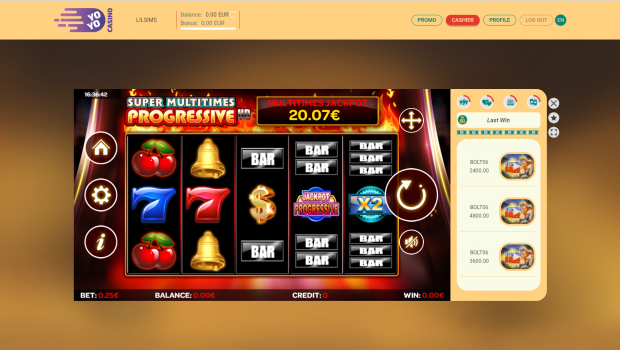
How players in Latvia reach their favorite casino games has tilted hard toward mobile over the last few years. A native casino app, like the one Slotoro Kazino lietotnes lejupielāde Casino puts out, is software constructed from the ground up for a specific operating system, iOS or Android. It is not a browser shortcut disguised with an icon. These programs utilize the hardware and software guts of the phone, which gives you a tactile, snappy, visually consistent feel. For a Latvian player who prioritizes stability and speed, knowing how a native app is different from a web-based knockoff is the first real step toward determining where to put their money and their trust, whether on a morning commute or a quiet night at home.
Performance Metrics and Load Times
Cold Start Speed
The difference between tapping an icon and putting down a bet is where native applications hold a clear edge. A native app maintains its main framework and container saved locally. The launch sequence just needs to verify the user and query the server for live data, a job that typically completes in under two seconds. A mobile website has to set up a secure connection, download the page shell, chew through JavaScript, and render the Document Object Model before even one game thumbnail shows up. For a player in Riga trying to fit in a few blackjack hands into a short break, that performance difference determines whether the session feels satisfying or becomes a irritating pause that eats the whole break.
That fast start gets a boost from the app’s ability to display a static splash screen instantly, giving immediate visual confirmation that the software is working. Behind that screen, the app validates biometric data and loads the main interface in the background, making the transition feel smooth. The Slotoro Casino native app leans on this design so the lobby becomes interactive almost the moment it opens. This is not just about convenience. It demonstrates a deeper respect for the player’s clock. Software that strips out friction and delivers content immediately fosters greater user loyalty and a greater feeling of dependability than a site displaying a loading icon for ten seconds.
Real-Time Game Rendering
Once inside a game, the rendering pipeline of a native app grabs hardware acceleration through OpenGL or Metal on iOS, and Vulkan on Android. Complex 3D animations and lighting effects can run at a locked 60 frames per second, even on mid-range devices. Web-based casinos lean on WebGL, which sits inside the browser sandbox and cannot push the GPU with the same priority. The result is a smoothness you can feel in the native app, reels spin with a buttery glide, cards flip without micro-stutters. For Latvian players who care about high production values in games from studios like Pragmatic Play or Evolution, the native app serves the exact audiovisual experience the studio built, no compression artifacts or downgraded frame rates.
Audio alignment is an understated but tangible advantage of the native rendering pipeline. In a browser, audio latency can wedge a tiny delay between a visual event and its sound effect, a disconnect the subconscious reads as cheap. Native apps push audio through the device’s low-latency channels, so the clink of coins and the celebratory jingle hit the ear at the exact millisecond the symbols line up. That tight sync deepens the emotional kick of a win. Slotoro Casino’s platform keeps this technical precision steady across the whole library. Whether a player sits in a quiet library in Daugavpils or a noisy café, the immersive audio-visual thread stays unbroken and perfectly timed.
Instant Notifications and Safe Gambling Features
The native notification framework opens a direct, secure channel for contact that doesn’t rely on email or SMS, each of which can fall behind or get caught in spam. Using the system’s notification framework, the app can ping real-time alerts about special promotions, tournament kickoffs, or a finished withdrawal request. The system works through permissions and remains transparent, providing the user fine-grained control over what they see. For the Latvian player, that means never missing a limited-time offer on a favorite slot while retaining full authority to disable marketing messages with a simple flip in the device settings. That amount of control seldom feels as intuitive with browser-based push notifications or promotional email lists.
More to the point, system-level tech allows a more robust setup of safe gambling measures. The app can interface with the device’s internal clock and activity monitoring to deliver reality checks that cannot be ducked by resetting browser data. Deposit maximums, loss caps, and playtime alerts get integrated into the software layer, making them resilient and difficult to manipulate. Slotoro Casino weaves these tools in deep, letting a player configure a hard time boundary that, upon hitting, locks the app’s gaming functions for a designated break time. This rigid self-exclusion mechanism is far more effective than a web-based cookie reminder. It connects the limitation to the safe hardware components, providing a true protective measure for anyone who wants to stay in charge on their entertainment budget and time.
Hardware Compatibility and Performance Optimization
A persistent myth says native apps are resource-intensive. The contrary is frequently the case. A native app is built for a particular processor architecture, so it can run lean on a variety of devices, from flagship models to the budget phones common across Latvia. The development team can tune the asset pipeline to send high-resolution textures to powerful devices while gradually reducing graphical detail for older hardware, ensuring fluid performance without overheating the battery. A mobile website has no such fine control. It shoves the same heavy JavaScript package at a cheap device and a top-tier tablet alike, frequently leaving the cheaper device with a sluggish, clunky interface and each device with a depleted battery.
Battery drain is a real worry for mobile players who may be far from a charger for hours. Native apps consume power more efficiently because they can delegate heavy calculations to the GPU and regulate processor wake cycles with accuracy. A browser-based game, operating inside a complex rendering engine, holds the processor in a elevated power mode nonstop, accumulating heat and sucking the battery fast. The Slotoro Casino app is designed for low power consumption, using dark-mode displays and adjusted frame timing to stretch play sessions. A player on the train from Jūrmala to Riga can enjoy a long session of live roulette without watching the battery percentage nosedive, a useful advantage that significantly enhances the mobility of the whole experience.
Network Resilience and Offline Functionality
Casino games demand a live connection for real-money bets, but the native app environment copes with network wobbles much better. Mobile signals in Latvia can fluctuate when moving between city centers and the countryside, and a native app handles those shifts in stride. It can queue actions smartly, freeze the game state on the spot, and present a quiet reconnection overlay, continuing the session exactly where it left off once a stable data packet comes through. A browser tab, affected by a sudden loss of 4G, often becomes unresponsive solid or breaks down, obliging the player to log in again and navigate their way back to the game lobby. That ruins the session’s momentum and creates frustration.
Native apps can also cache a chunk of non-sensitive content, game lobbies, help files, static images, ensuring those pieces available even in a low-signal spot. A player can’t spin a reel without a connection, but they can explore the game library, review the rules of a tricky table game, or verify their transaction history fully offline. This hybrid ability converts the app into a handy reference tool, not just a gambling portal. Slotoro Casino employs this to make the app feel solid and present on the device at all times, not just when the signal bars are full. That constant availability builds a sense of reliability, cementing the idea that the casino is a permanent, trustworthy fixture on the home screen, not a fleeting, shaky web link.
Security Measures and Data Integrity
Biometric Verification
Native applications can integrate directly with the device’s biometric security hardware, biometric sensors and face recognition technology. This implementation runs at the operating system level, so the casino app does not see or keeps raw biometric data. It just gets a secure token that confirms the user’s identity. That is a significant leap in security over entering a password into a mobile browser, which sits open to keylogging and shoulder surfing. For clients in Latvia, where digital banking and secure ID are embedded in daily life, the bar for this kind of protection is set high. Signing into Slotoro Casino with a glance or a touch offers a frictionless but tough barrier against anyone trying to slip into an account.
Native applications also offer a secure enclave for saving sensitive session tokens and encryption keys. Those pieces are locked inside the device’s hardware-backed keystore, making it much more difficult for malware to pull out credentials than it would be to collect them from a browser’s local storage or cookies. The application sandbox prevents other apps from monitoring chatter between the casino client and the gaming server. That isolation is crucial for ensuring financial transactions clean. When a player adds funds or asks for a withdrawal, the native app creates a direct, encrypted tunnel using certificate pinning, which neuters man-in-the-middle attacks that exploit public or unsecured https://www.reddit.com/r/LasVegas/comments/1b1m3sr/best_slots_at_or_around_planet_hollywood/ Wi-Fi networks.
Standards for Data Encryption
Encryption protocols inside a mobile application are typically tighter and unlikely to get incorrectly configured than the ones in a web browser session. A standalone app can apply certificate pinning with a hard grip, declining to connect to any server that fails to present a specific, pre-approved SSL certificate. That stops even polished phishing attempts that might trick a browser user with a similar-looking domain. The app’s code undergoes compilation and hidden, which makes it reverse engineering a lot harder for malicious actors searching for vulnerabilities. The Slotoro Casino application utilizes industry-standard TLS encryption for all data in transit, so personal ID documents and transaction histories are kept safe from interception as they travel between Latvia and the secure servers.
Local data storage on a native app is also encrypted by default, riding on the full-disk encryption of a modern mobile OS. If a device becomes lost or swiped, the cached data inside the casino app remains an unreadable cipher without the user’s device passcode or biometric key. A browser may leave sensitive session data unprotected if the device is unlocked. This defense-in-depth approach, combining network-level encryption on top of local hardware-backed security, creates a fortress around the player’s identity. It lets Latvian players concentrate on the entertainment side of the games, aware that the technical scaffolding is quietly and successfully warding off a broad spectrum of digital threats.
Architectural Integrity

The key difference between a native app and a mobile website comes down to how the code interfaces with the processor and graphics chip. A native app compiles straight for the platform. The software interacts with the hardware without extra translation layers clogging the works. That direct line cuts down on memory leaks and random crashes that can convert a browser session into a mess. For Latvian users who switch between mobile data and Wi-Fi, this stability matters. A blip in connectivity on a web page can wipe the whole game state. A well-built native app can often save the session state locally, preserving a player’s spot in a bonus round or a live dealer hand until the connection returns, no data lost.
Resource management inside a native environment also pulls ahead. The app is installed on the device, so it caches key assets and juggles background tasks better than a browser tab constrained by Safari’s or Chrome’s memory cap. Frame drops during graphics-heavy slot animations drop off sharply. When a Slotoro Casino player spins a high-volatility slot with cascading reels and layered particle effects, the native app displays those sequences without a hitch, keeping the visual punch intact. That technical backbone encases the random number generator and game logic inside a sealed space, protected from the jerky performance swings that sometimes rattle HTML5 interfaces on older phones.
Interface Design and Seamless Browsing
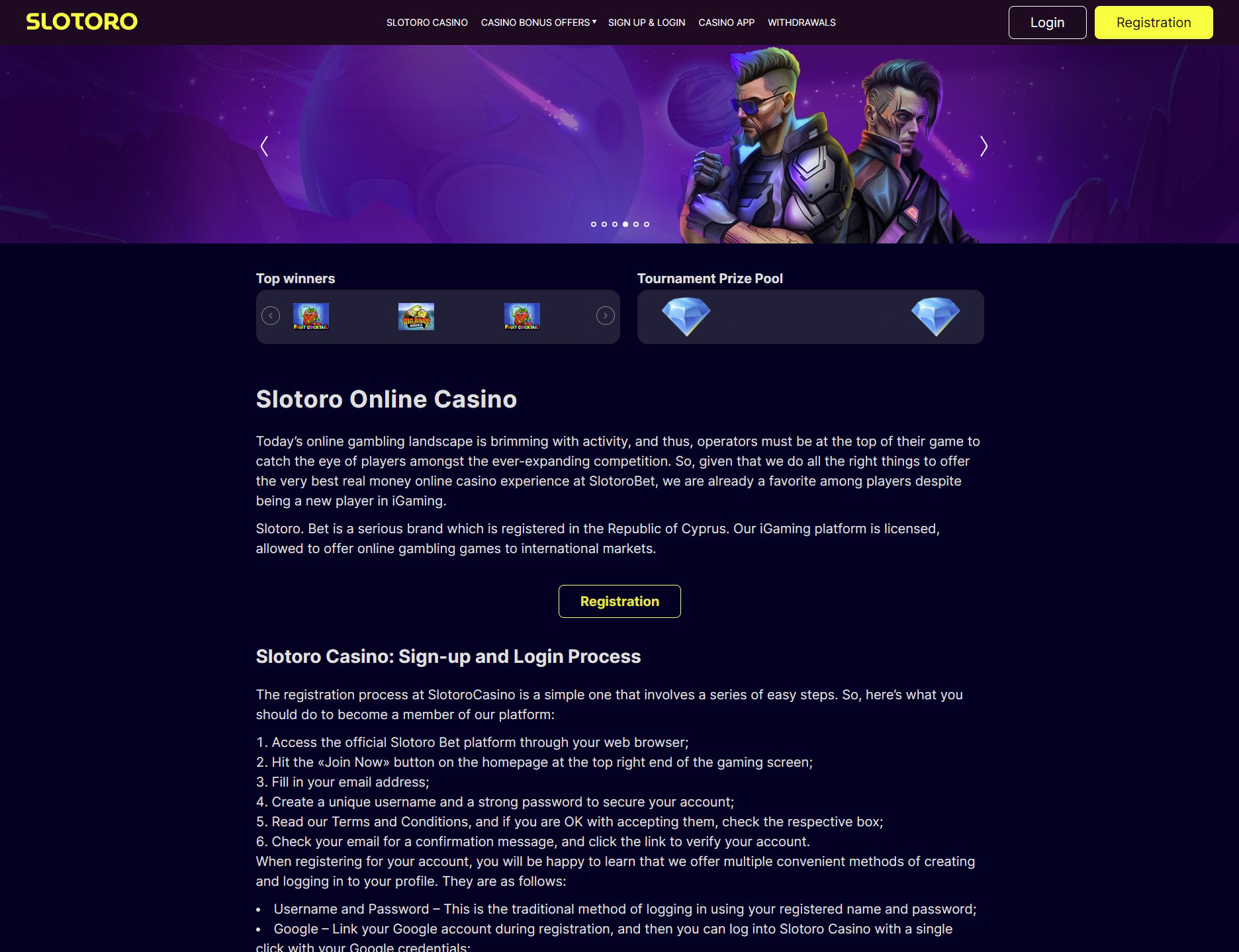
Moving through a native casino app feels natural because the gestures and transitions copy what the operating system already handles. Swipes, taps, pinch-to-zoom, they all respond with zero lag, providing a sense of physical grip that web apps rarely match. The interface components, from the lobby carousel to the cashier buttons, get rendered with the platform’s native UI kits. Text is clear, buttons land right where a thumb naturally reaches. For the Latvian market, where players prefer efficiency and clarity, that means fewer searches for games and more time inside the action. Losing the browser address bar and nav buttons also liberates screen space, enabling the game grid stretch across the high-res displays found on today’s smartphones.
Design consistency extends all the way into the visual feedback systems. When a player hits a win, the device’s haptic engine can trigger a subtle physical tap, a sensory layer completely missing from mobile web play. The native setup also supports a fixed bottom navigation bar that stays put while game categories slide separately, a pattern that keeps you oriented. At Slotoro Casino, the app layout minimizes cognitive load by tagging live casino, slots, and table games with distinct visual cues. This deliberate structure prevents the visual clutter that often overwhelms mobile sites, where ad pop-ups and browser notifications break bbc.co.uk the flow of play and shatter the immersive spell a good entertainment session needs.
Setup Procedure and Space Administration
The route to acquiring a native app is a one-off process that establishes a lasting, secure connection between the player and the operator. For Android users in Latvia, that generally entails grabbing the APK directly from the official Slotoro Casino website, a approach that bypasses the strict gambling policies of the Google Play Store. Installation requires a basic security permission toggle to permit installs from a reliable origin, a step that also educates the user something about device security. For iOS users, the process typically operates through a direct download link with a configuration profile, or through regional App Store availability, which ensures the software gets signed and reviewed by Apple’s strict security checks. That upfront half-minute rewards in daily convenience for months afterward.
Worries about storage space tend to get blown out of proportion. Modern native apps stay surprisingly light. The core application shell is small, and game assets load on request and cache smartly instead of bloating the device with gigabytes of unused data. The app’s cache management sits in plain view, letting users remove temporary files without losing login credentials or preferences. That differs greatly to a browser, where the cache can damage and degrade all web activity. The Slotoro Casino app is designed to be a respectful resident on the device, observing storage limits and making sure the casino’s presence does not impair the performance of other vital apps like maps, messaging, or mobile banking that residents lean on every day.