When it comes to industrial and marine asset protection, one question comes up repeatedly: are protective coatings and marine coatings the same thing? The short answer is no — but in many real-world applications, you need both working together. Understanding the distinction between these two coating categories is essential for asset managers, facility engineers, and vessel operators who want to make informed decisions about their maintenance and protection strategies.
Berger Paints offers a comprehensive range of both protective and marine coatings, with several products — such as the Epilux series — appearing across both categories because of their versatile performance in demanding environments.
6 Key Differences and Overlaps Between Protective and Marine Coatings
1. What Protective Coatings Are Designed For
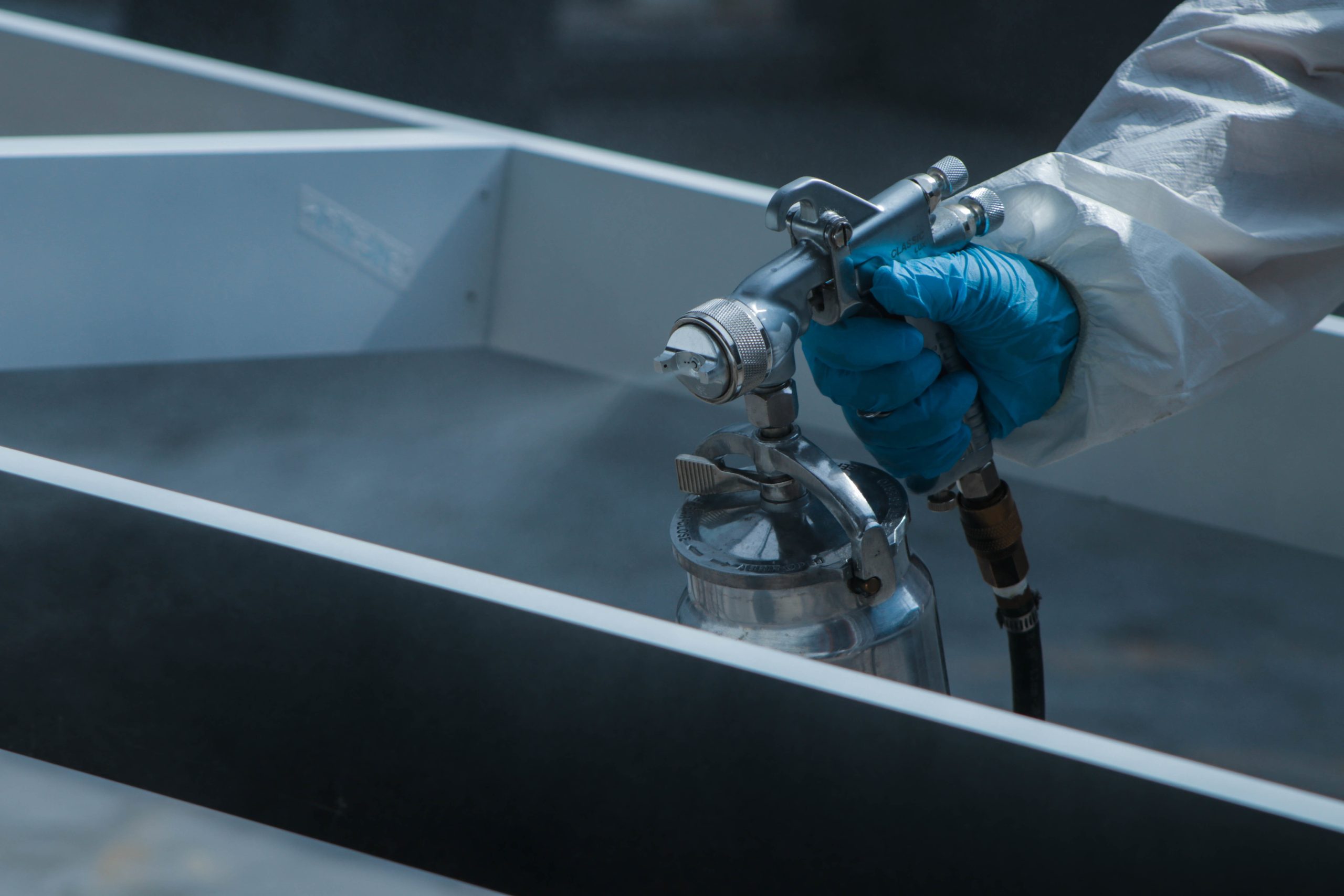
Protective coatings are engineered to defend industrial structures and equipment against corrosion, chemical attack, abrasion, and environmental degradation. Their primary applications include steel fabrications, storage tanks, pipelines, industrial floors, bridges, and processing facilities. Products like Berger Epilux 15HS, Epilux 155SF, and Epimastic 3000HS are formulated for environments where mechanical stress, chemical exposure, and long-term durability are the primary concerns.
2. What Marine Coatings Are Designed For
Marine coatings address the unique challenges of saltwater immersion, biological fouling, and the extreme conditions experienced by vessels and offshore structures. They must resist constant water exposure, prevent the attachment of marine organisms, and maintain adhesion on curved hull surfaces subject to continuous movement and stress. Berger’s Navilux series — including Navilux 1100, 1300, 1500, 4100, and 4900 — is specifically engineered for these conditions.
3. Where the Two Categories Overlap
Several environments require the properties of both protective and marine coatings simultaneously. Offshore oil platforms, port infrastructure, jetties, ship superstructures, and coastal industrial facilities are exposed to both aggressive marine conditions and industrial chemical or mechanical stresses. In these applications, Berger products like Epilux 18HS and Epilux 68 appear in both the Protective Coating and Marine Coating ranges precisely because their formulations meet the demands of both environments.
4. Surface Preparation Requirements Differ
Both coating types demand thorough surface preparation, but the specific requirements vary. Protective coatings for industrial structures typically require abrasive blasting to achieve the correct surface profile for epoxy adhesion. Marine coatings for hull surfaces must account for existing anti-fouling layers, osmotic blistering, and underwater surface conditions during dry-dock. Using the wrong preparation method — or the wrong coating system — for a given substrate can lead to premature failure regardless of the product’s quality.
5. Application Environments and Exposure Conditions
The key variable in choosing between protective and marine coatings is the exposure environment. Structures exposed primarily to atmospheric conditions, industrial chemicals, or physical wear call for protective coating systems. Structures or vessels in continuous or frequent water immersion — particularly in seawater — require marine-grade coatings designed for submerged or splash zone service. For assets that fall into both categories, a multi-system approach using both protective primers and marine topcoats is often the most effective solution.
6. The Cost of Getting It Wrong
Applying a standard industrial coating to a vessel hull or a marine coating to an industrial floor may seem like a minor specification error, but the consequences can be significant. Coatings applied outside their intended service environment fail prematurely, leading to accelerated corrosion, costly rework, extended downtime, and in some cases, structural damage. Investing time in proper coating specification — with guidance from an experienced supplier like Berger Paints — eliminates this risk entirely.
Conclusion
Protective and marine coatings serve distinct but sometimes overlapping roles in asset protection. Understanding the differences — and knowing when both are required — is the foundation of any effective long-term maintenance strategy.
For offshore platforms, port facilities, and industrial assets in coastal environments, a combined approach using both Berger’s Protective Coating and Marine Coating systems delivers the most comprehensive protection available. With the right products applied correctly, assets perform better, last longer, and cost less to maintain over their entire service life.
Berger Paints Malaysia provides expert guidance on both protective and marine coating specifications. Whether you are managing an industrial facility, maintaining a commercial fleet, or protecting critical coastal infrastructure, our technical team is ready to recommend the right system for your needs.
Contact Berger Paints today and let us help you build a coating strategy that delivers lasting results.